AREA(s) SERVED:
Region/Borough:
Toronto
Town/Neighbourhood:
North York
Postal Code(s):
M2H, M3C
Note: Our products and services are available in North York and the Toronto area, as well as nationwide.
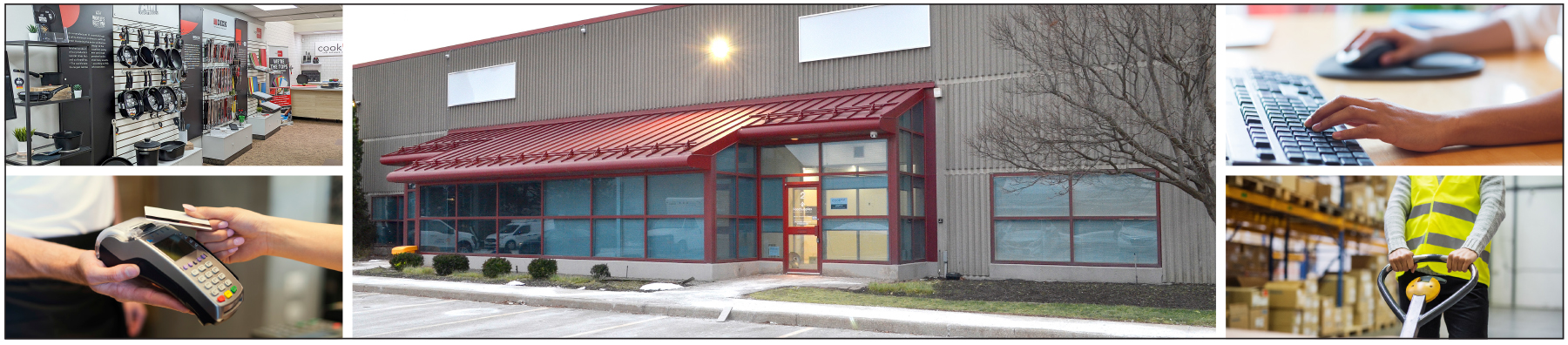
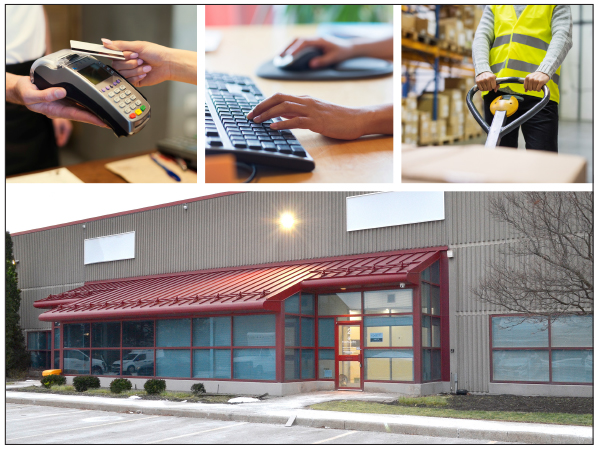
CookUp supplies professional knives, cookware, prep surfaces and insulated food transport to kitchens in North York, Ontario. The range comes from European manufacturers including F. Dick, AMT Gastroguss, Profboard, ScanBox and Scraegg. CookUp operates from Etobicoke as part of Food Supplies Distributing Company Inc and ships across Canada.
North York's dining follows Yonge Street for much of its length, from the North York Centre area north towards Steeles and south through Yonge and Lawrence. It is a corridor rather than a single district, which means a wide spread of formats within a short distance: quick service, family restaurants, full-service dining and a substantial catering trade.
A mixed corridor buys broadly rather than deeply. Kitchens there need equipment that performs across several cuisines rather than tools specialised to one technique, and they replace items individually rather than re-equipping at once.
A kitchen running a broad menu needs core blades that handle most tasks well rather than a large specialist set. F. Dick forged knives are shaped from a single heated steel bar, producing the weight and balance that holds an edge through varied work. A chef's knife, a boning knife and a paring knife cover the majority of prep. Compare knife types.
AMT Gastroguss produces cast aluminium cookware with a thick base that distributes heat evenly. Even heat matters more in a mixed-menu kitchen than in a specialised one, because the same pan is asked to sear, simmer and hold across a service. Induction-compatible versions are produced separately, so the range should be matched to the stove. View the cookware range.
Profboard uses a base board with a replaceable top sheet rather than a single solid surface. The sheet is the wear surface and the consumable, so a scored or contaminated surface is swapped without replacing the board. Sheets are colour coded by food group, keeping raw meat, poultry, fish, vegetables, dairy and allergen work on separate surfaces. See how the sheet system works.
ScanBox builds insulated carriers and transport systems in Sweden for the stage between kitchen and table. Catering, banquet service and off-site events all require food to hold a safe temperature while it travels. Carrier choice depends on load volume, the number of stops and whether the unit is opened repeatedly in transit. View carriers and transport carts.
CookUp does not restrict professional lines to trade buyers. Home cooks in North York can buy the same forged knives, cast cookware and prep systems specified by commercial kitchens. Culinary students building a first roll benefit from the same durability, since a forged blade outlasts a training programme by decades. Explore the culinary kits.
A mixed menu asks the same few tools to do many jobs, which makes the core specification matter more than any specialist purchase. The CookUp team advises on product selection, correct use and maintenance, and that advice is available before a purchase rather than only after one. Contact the team with the work the tool has to do.
CookUp also publishes a reference library rather than keeping that knowledge internal. Blade types sets out what each geometry is built for, knife care and maintenance covers washing, honing and storage, and cookware care and maintenance covers heat, cleaning and coating life. A separate set of guides explains sharpening, including what a sharpening steel is and how a steel differs from a stone.
For product launches, technique and kitchen content, CookUp posts on Instagram and Facebook.
Orders can be placed online at any time. Restaurants, caterers, butchers and resellers ordering regularly can arrange a trade or dealer account rather than buying at retail prices. Specifying the right blade, pan or board depends on the work it will do, so buyers unsure of the fit should ask before ordering. Contact the CookUp team.
Q: Which three knives cover most restaurant prep?
A: A chef's knife for the bulk of chopping and slicing, a boning knife for separation work, and a paring knife for detail. Those three handle the majority of tasks in most kitchens. Specialist shapes are worth adding for specific repeated jobs rather than bought speculatively.
Q: Can one pan sear and simmer equally well?
A: A thick cast base handles both better than a thin one, because it holds temperature for searing and spreads heat evenly for simmering. The compromise is responsiveness, since mass is slower to react to a heat change. For delicate sauce work a lighter pan is easier to control.
Q: How do you decide whether to repair or replace a knife?
A: Replace when the blade has lost enough steel that the geometry has changed, or when chips reach past the edge bevel. Regrinding can recover a damaged edge once or twice. A loose or cracked handle is usually the point at which replacement is safer than repair.
Q: What is the most common equipment mistake in a mixed-menu kitchen?
A: Buying specialist tools before the core set is right. A kitchen with worn chef's knives and damaged boards gains nothing from a specialist blade. The core items are used on every dish regardless of what the menu does.
Q: Does a busy kitchen need more boards or better boards?
A: More surfaces, correctly separated by food group, before better ones. Five colour-coded surfaces outperform two excellent boards shared between tasks, because the control is separation rather than quality. A replaceable sheet system makes the extra surfaces affordable.
Q: How should a kitchen phase equipment replacement?
A: Replace what is used most and failing first, which is almost always knives and prep surfaces. Cookware can be replaced piece by piece against the menu. Transport and holding equipment is worth prioritising if any part of the operation is off site.
Q: Why does even heat distribution matter for simmering?
A: Because a hot spot scorches the base of a sauce before the bulk reaches temperature. Once a base has caught, the flavour carries through the whole batch. Thick cast construction removes the hot spot rather than requiring constant stirring to manage it.
Q: What is the right way to hone a knife?
A: Light, consistent passes at a steady angle on each side, using the weight of the blade rather than force. Honing realigns a rolled edge and does not remove meaningful steel. Heavy pressure defeats the purpose and can damage the edge.
Q: Should cookware match the stove or the menu?
A: The stove first, since an induction hob simply will not heat an incompatible pan. Beyond that, match pan diameter to burner size so heat reaches the full base. Menu considerations follow once those two constraints are met.
Q: Is it worth standardising knives across a small team?
A: Yes. One sharpening routine, one handle feel and simpler reordering are worth more in a small kitchen than variety. Standardising the core blades and buying specialist shapes separately is the usual arrangement.